

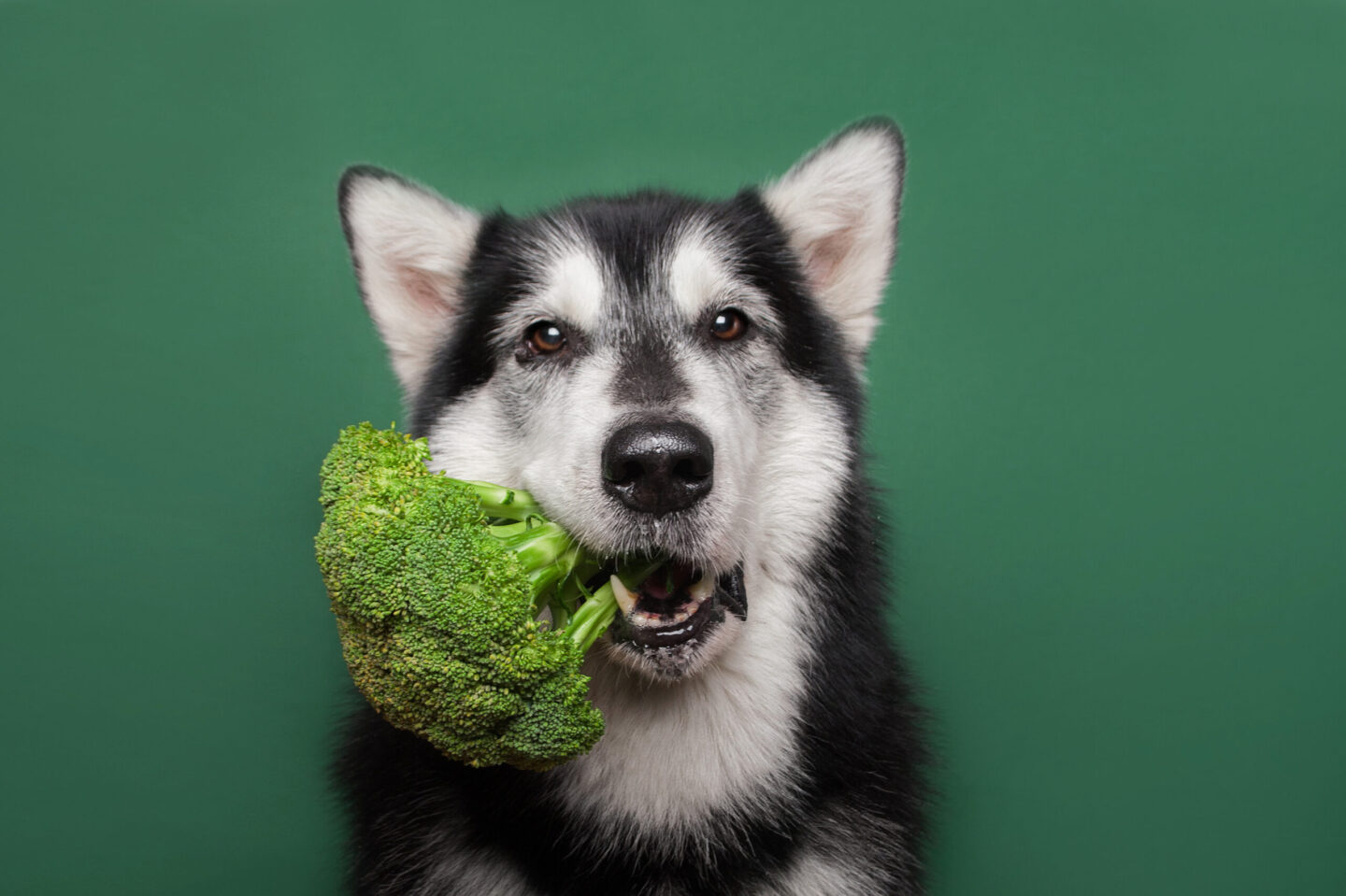

We often assume that eating is automatic—that if a dog is hungry, they will take food, and food will naturally function as reinforcement.
But in real-life training, that assumption quickly falls apart.
Dogs stop eating when distractions appear.
They ignore food around other dogs.
They disengage in new environments.
And suddenly, what was supposed to be our primary reinforcement tool… stops working.
At that point, dogs are often labeled as “unmotivated,” “difficult,” or “not food-driven.”
Training methods shift. Pressure increases. Aversive tools start to feel justified.
But the issue is rarely motivation.
The issue is that eating itself has never been trained as a reliable behavior in those conditions.
Because eating is not automatic in a training context—it is an operant behavior shaped by history, context, and clarity.
And when that foundation is missing:
- food may lose its reinforcing value
- food may even signal frustration, pressure, or conflict
- problem behaviors around food begin to appear
In this webinar, we’ll reframe eating as a skill—and show how to build it so that food works when you actually need it.
What you’ll learn
- How to treat eating as an operant behavior, not an assumption
- Why food doesn’t always function as a reinforcer—and what else it might become
- The relationship between motivation, frustration, and extinction
- How food can unintentionally trigger problem behaviors
- How to create a clean, predictable “eating loop”
- Building clarity in food delivery patterns
- How to measure baseline eating behavior
- Using food effectively in behavior modification programs
- Understanding contrafreeloading and its impact on training
Format
- Pre-recorded webinar
- ~2 hours of content
- Watch at your own pace
This webinar is for trainers and owners who:
- struggle with dogs that won’t take food in real-life situations
- feel like reinforcement “stops working” under distraction
- want to replace guesswork with a structured, observable process
Because before food can reinforce behavior…
- your dog has to know how to eat in the first place.