


Total: $0.00
Order Go to Cart
Log In

Trainer’s Toolbox Part 1: Observe, Define, and Teach

Turn a vague goal into an observable acquisition plan

Agnieszka Janarek Agnieszka Janarek

Move from camera-test observation and measurement through teaching arrangements, shaping, prompting, handler mechanics, and one bounded first-session test.

Start: 29 Aug 2026
Next: TBA

Auditor:

  • Duration: 6 weeks.
  • Learning materials: Written lessons with video tutorials.
  • Access to other Premium members' threads for additional insights.
  • Certificate of attendance upon completion.
  • Lifetime, 24/7 access to course materials.
  • Join the vibrant Tromplo community.
  • Earn 4 loyalty program points.

Premium:

  • Earn 15 loyalty program points.
  • Personalized attention: Instructor analyzes 12 minutes of your training videos weekly.
  • Engage in interactive learning with homework and daily feedback.

No premium spots available

FULL-SYSTEM SELF-PACED COURSE · US$139 · START ANYTIME

Turn a vague training goal into one observable, measurable acquisition plan.

A teaching method cannot rescue a question that is still unclear. Before you decide to shape, lure, capture, target, prompt, or mould by contact, you need to know what behavior you are building, what the learner already does, which dimensions matter, where one repetition begins and ends, and what evidence will tell you whether the first test helped.

Trainer’s Toolbox Part 1 follows that complete route. It begins with observation and definition, moves through baseline, contingencies, readiness, consequences, and marker cues, then compares teaching arrangements, prompting, shaping, fading, and trainer mechanics. The capstone brings them together in one bounded first-session plan that another trainer could understand and evaluate.
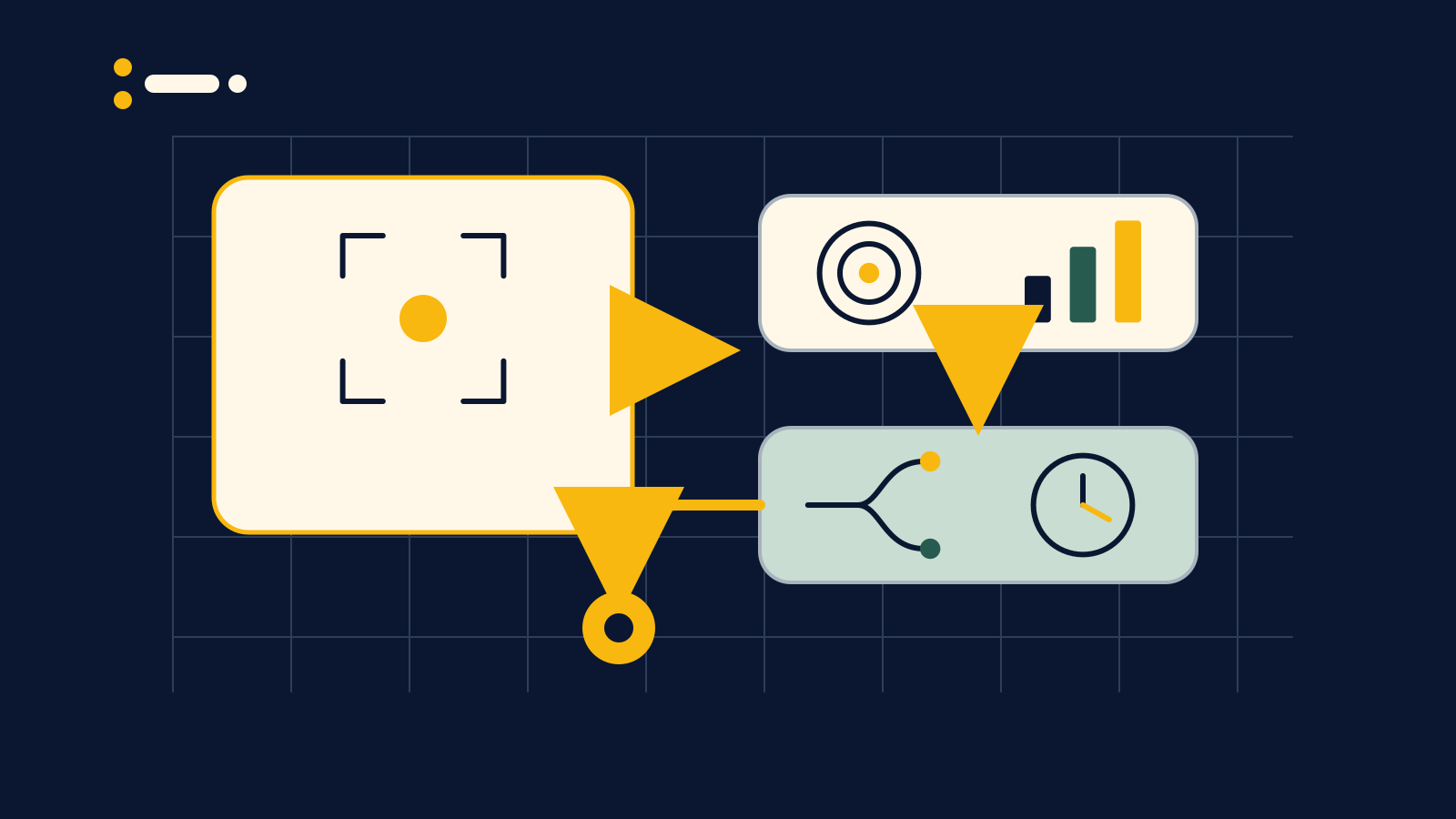
Trainer's Toolbox Part 1 pathway from observation and measurement to a first teaching test
Observe, define, select an arrangement, rehearse the mechanics, and test one plan without changing everything at once.

What you will build

You will develop one acquisition plan whose decisions stay connected: camera-test behavior definition, measurement dimension, baseline, relevant context, learner readiness, teaching arrangement, prompt and fade plan, shaping or component-skill analysis, reinforcement and reset, trainer TAGpoints, and the evidence you will collect from the first test.

The course treats the trainer as a learner too. Reaching early, moving the target, changing position, repeating the cue, shifting the criterion, and delivering reinforcement in a particular place can all change the next opportunity. You will learn to observe those actions without blame and rehearse the mechanics before asking the animal learner to absorb the cost.

The five-part route

  1. Observe and define: replace labels with behavior another person can recognize, and decide which dimension answers the question.
  2. Map the learning arrangement: inspect context, motivating variables, readiness, consequences, marker cues, delivery, and reset.
  3. Build the behavior profile: identify terminal performance, component skills, prerequisites, and the learner’s current repertoire.
  4. Select and fade a teaching arrangement: compare luring, contact methods, targets, prompts, capturing, and shaping by the conditions they create.
  5. Rehearse and test: define trainer mechanics, film one repetition, score what happened, and make the smallest defensible next decision.

What is inside

You receive thirty teaching lessons, a materials hub, worked cases, practical tools, model reasoning, two private self-checks, worked explanations, clear revision routes, and a capstone that turns the separate tools into one coherent plan. You can use a safe personal project or work through the supplied cases.

Format and access

  • Study format: complete self-paced course
  • Start: anytime; access begins immediately after purchase
  • Access: one year
  • Price: US$139
  • Included: thirty teaching lessons, cases, planning and observation tools, visuals, two private self-checks, worked explanations, and direct links to the exact lesson or tool to revisit
  • Study support: private self-checks, worked examples, answer explanations, and clear routes for revision

Start Trainer’s Toolbox Part 1

Course Testimonials

This course does not have any testimonials yet.

Lessons:

  • Week 1 29 Aug 2026

    • Trainer’s Toolbox Part 1 — Materials Hub

      Trainer’s Toolbox, Part 1 · Course materials Part 1 follows one acquisition question from observation to a bounded first teaching…

    • Welcome! One Toolbox, One Analytic System

      Trainer’s Toolbox, Part 1 · Module 1 — Observe before you explain Think of the drawer where scissors, batteries,…

    • Education of Choice and Science

      Trainer’s Toolbox, Part 1 · Module 1 — Observe before you explain Choice is not a decorative word we…

    • Scope, Health, Competence, and Stop Rules

      Trainer’s Toolbox, Part 1 · Module 1 — Observe before you explain A warning light on the dashboard is…

    • Basic Terms

      Trainer’s Toolbox, Part 1 · Module 1 — Observe before you explain Technical terms are useful labels for things…

    • The Camera Test: From Labels to Observable Behavior

      Trainer’s Toolbox, Part 1 · Module 1 — Observe before you explain Imagine muting a twelve-second video and handing…

    • What About Emotions?

      Trainer’s Toolbox, Part 1 · Module 1 — Observe before you explain When a kettle whistles, we do not…

    • Baseline: Which Dimension Will You Measure?

      Trainer’s Toolbox, Part 1 · Module 1 — Observe before you explain You do not need to turn the…

    • Behavior and Its Contingencies

      Trainer’s Toolbox, Part 1 · Module 2 — Map the complete learning loop A doorbell rings, the dog runs…

    • Setting Events and Motivating Operations

      Trainer’s Toolbox, Part 1 · Module 2 — Map the complete learning loop Buying groceries when hungry can make…

    • Where One Repetition Ends: Latency, Readiness, Delivery, and Reset

      Trainer’s Toolbox, Part 1 · Module 2 — Map the complete learning loop A washing-machine cycle does not end…

    • Consequences

      Trainer’s Toolbox, Part 1 · Module 2 — Map the complete learning loop An umbrella is useful in rain…

    • Marker Cues

      Trainer’s Toolbox, Part 1 · Module 2 — Map the complete learning loop The microwave beep is useful because…

    • NRM! No-Reward Marker

      Trainer’s Toolbox, Part 1 · Module 2 — Map the complete learning loop A printer flashing ERROR may inform…

    • Behavior Profile

      Trainer’s Toolbox, Part 1 · Module 3 — Define the behavior and prerequisites The photograph on a flat-pack box…

    • Component Skills and Prerequisites

      Trainer’s Toolbox, Part 1 · Module 3 — Define the behavior and prerequisites If a cake will not rise,…

    • Outcome Versus Result. Does It Matter?

      Trainer’s Toolbox, Part 1 · Module 3 — Define the behavior and prerequisites One green tick can mean ‘this…

    • Teaching Methods Are Arrangements, Not Identities

      Trainer’s Toolbox, Part 1 · Module 4 — Compare acquisition arrangements Choosing luring, capturing, targeting, or shaping is less…

    • Luring

      Trainer’s Toolbox, Part 1 · Module 4 — Compare acquisition arrangements I move a piece of sausage above the…

    • Moulding by Contact: A Contact-Method Decision

      Trainer’s Toolbox, Part 1 · Module 4 — Compare acquisition arrangements A handshake works because both people can approach,…

    • Targets, Prompts, and Capturing

      Trainer’s Toolbox, Part 1 · Module 4 — Compare acquisition arrangements A parking cone can mark a destination, block…

    • Plan the Fade Before You Add the Prompt

      Trainer’s Toolbox, Part 1 · Module 4 — Compare acquisition arrangements Scaffolding is excellent while a building needs it…

    • Shaping

      Trainer’s Toolbox, Part 1 · Module 5 — Use shaping as one bounded method Shrek reminded us that ogres…

    • Cue for Shaping — Explored

      Trainer’s Toolbox, Part 1 · Module 5 — Use shaping as one bounded method My phone may unlock for…

    • Shaping Examples as Method Comparisons

      Trainer’s Toolbox, Part 1 · Module 5 — Use shaping as one bounded method Watching three cooking videos and…

    • Frustration: Observe, Protect Welfare, and Reconsider the Plan

      Trainer’s Toolbox, Part 1 · Module 5 — Use shaping as one bounded method A smoke alarm reacting to…

    • Handler’s Technique

      Trainer’s Toolbox, Part 1 · Module 6 — Practise the trainer and test the plan A drummer practises the…

    • Handler’s Technique — Helper

      Trainer’s Toolbox, Part 1 · Module 6 — Practise the trainer and test the plan A willing human helper…

    • Handler TAGpoints and Mechanical Rehearsal

      Trainer’s Toolbox, Part 1 · Module 6 — Practise the trainer and test the plan An actor cannot rehearse…

    • Film and Score One Repetition

      Trainer’s Toolbox, Part 1 · Module 6 — Practise the trainer and test the plan Think of a slow-motion…

    • Part 1 Capstone: Build and Test One Acquisition Plan

      Trainer’s Toolbox, Part 1 · Module 6 — Practise the trainer and test the plan Packing for a trip…

    • Trainer’s Toolbox Part 1 — Final Assessment

      Final Assessment — Form A Trainer’s Toolbox, Part 1 · Final assessment Instructions Choose the best evidence-linked decision for each…

    • You Have Finished Trainer’s Toolbox, Part 1

      Thank you for completing Part 1. You began with a vague training goal and worked toward something another trainer could…

Free Lesson