


STARTS November 1, 2026 · SIX-WEEK ONLINE COURSE · AUDITOR · US$139
Reinforcement does not end at the marker.
Most trainers already know that reinforcement matters. The more interesting question is what the complete delivery sequence teaches. Where the food appears, how the trainer moves, what the marker cue predicts, how the learner obtains the consequence, and where the next repetition begins can all alter the behavior that develops.
Strategic Reinforcement Delivery for Dog Trainers gives you a practical system for designing that whole loop. You will make delivery decisions according to the behavior, criterion, learner, and context—not according to one favourite technique.
- Format:
- independent online study
- Access:
- one year
- Materials:
- written lessons, video demonstrations, and practical exercises
Choose Strategic Reinforcement Delivery
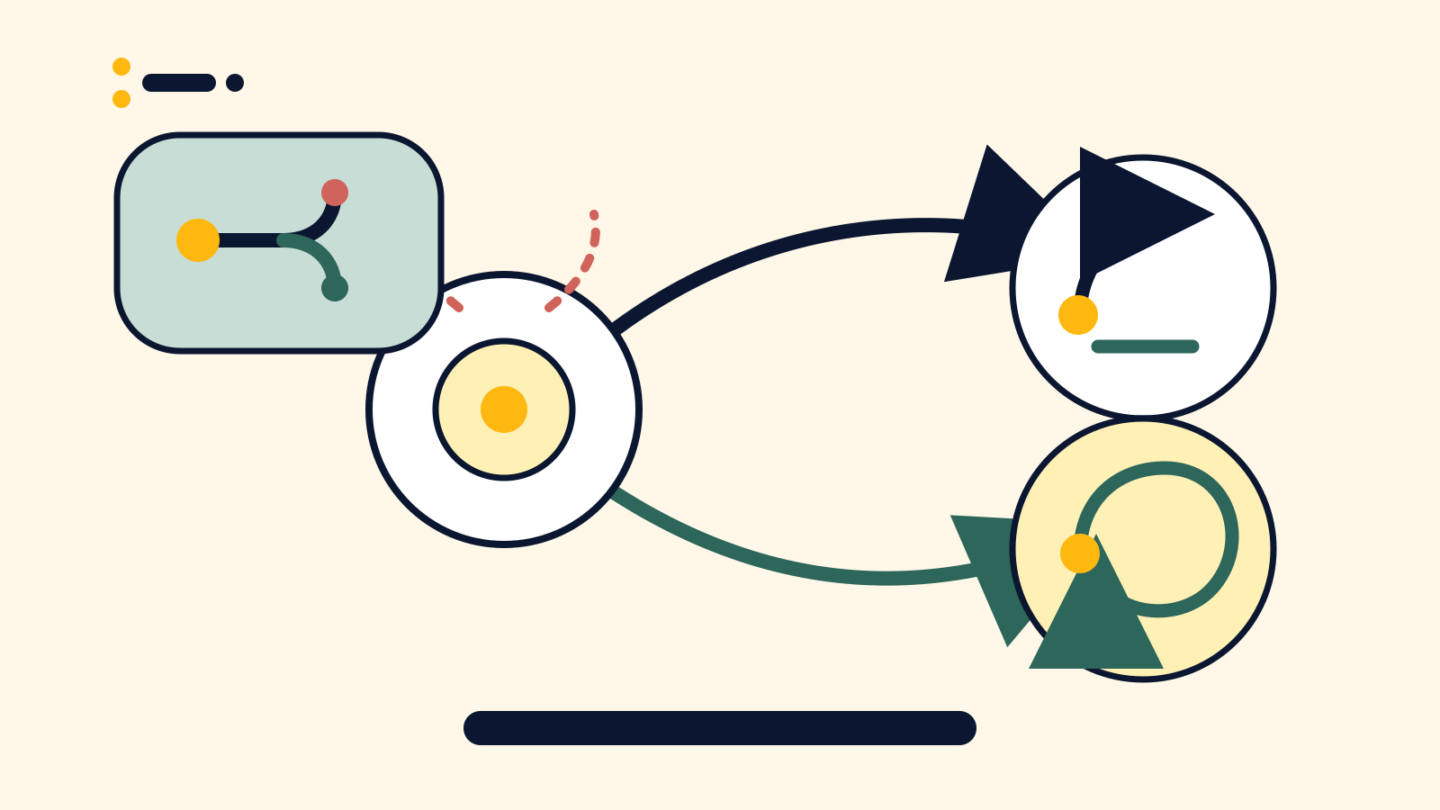 The consequence changes more than the moment after the marker. It arranges the beginning of the next response.
What you will be able to do
- Audit the complete loop
- Read the response, marker, movement, delivery, consumption, reset, and next opportunity as one connected sequence.
- Select delivery deliberately
- Choose home delivery, take-out, transport, tossing, distance delivery, or another outcome because it supports the current behavior.
- Troubleshoot from function
- Test what a consequence changes instead of assuming food, praise, play, or a jackpot is reinforcing by identity.
The problem may begin after the behavior looks finished
A dog creeps forward after reinforcement, leaves position while eating, stalls between repetitions, becomes rough when taking food, or starts responding to the trainer’s movement toward the food. These are often described as motivation, focus, or impulse-control problems. That description skips the part of the loop most likely to tell us what to change.
Sometimes reinforcement location is shaping movement. Sometimes transport has become a prompt. Sometimes the next cue arrives before eating is finished. Sometimes a marker cue predicts a different route than the trainer intended. And sometimes the event we selected is not functioning as a reinforcer in this arrangement. Slowing the sequence down turns an automatic habit into an observable training decision.
The reinforcement-loop method
- Define the response. Decide where it begins and ends before changing the delivery.
- Record an ordinary loop. Observe the marker, trainer movement, route to reinforcement, consumption, reset, and next response.
- Name the job of the delivery. Should it maintain location, create movement, transport the learner, support duration, or prepare the next repetition?
- Change one relevant feature. Compare it with the baseline instead of changing the marker, food, placement, and rhythm together.
- Read the result. Keep, revise, or remove the arrangement according to the learner’s subsequent behavior.
Your six-week learning map
Week 1 · Reinforcement as part of behavior
Examine why delivery matters, how food selection interacts with the current task, and what the trainer must mark, reach for, observe, and deliver without losing the rest of the picture.
Week 2 · Transport and trainer fluency
Practise treat-magnet transport and transport into offered behavior, with and without objects. Separate your mechanics practice from the pressure of a live training session.
Week 3 · Take-out and non-food outcomes
Compare home and take-out delivery, add movement when it has a purpose, and analyse consequences beyond food by their effect on behavior.
Week 4 · Eating and marker cues
Observe eating as behavior with latency, topography, pace, and environmental requirements. Check what each marker cue in your system actually predicts.
Week 5 · Distance and duration
Develop more precise distance delivery and separate duration, distance, and repetition so the current criterion remains visible.
Week 6 · Praise, jackpots, and changing value
Question familiar assumptions and evaluate consequences in relation to the target behavior, context, history, and conditions that alter their current value.
Practical tools you can keep using
- a complete reinforcement-loop audit;
- a home-versus-take-out delivery comparison;
- trainer-mechanics exercises you can practise without the learner;
- an eating-behavior observation record;
- a marker-cue prediction check; and
- a criterion-by-delivery decision process for duration, distance, and repetition.
The purpose is not to collect impressive delivery patterns. It is to know what job a pattern is doing, notice when it does a different job, and choose the next adjustment with evidence.
See the analysis in a real training example
Carol and Sweep’s stand before and after changes to the reinforcement-delivery plan. This is one example of applying the course analysis, not a guaranteed result.
Is this course a good fit?
Choose this course if you already use positive reinforcement and want to become more precise about what happens after the marker. It is useful for professional dog trainers, dog-sport trainers, behavior professionals who teach skills, and serious training enthusiasts. Newer trainers receive a structured mechanics foundation; experienced trainers gain a way to examine small, automatic parts of a session that are easy to miss and difficult to troubleshoot later.
The demonstrations focus on dogs. The course concentrates on reinforcement selection, delivery, and the loop built around them. It is not a complete shaping curriculum or an individualized behavior assessment.
What a previous student noticed
This feedback comes from an earlier edition that included individualized instructor support. The current offer is the Auditor / self-study route.
“I found both the written lectures and the videos highly informative and it was easy to implement at home.”
— Carolina Sixt
Your instructor
Agnieszka Janarek is the founder of Tromplo and an animal trainer with a background in Applied Behavior Analysis. Her teaching translates behavioral science into decisions trainers can observe, practise, and evaluate inside real sessions.
I created this course because “reward the dog” is not precise enough. I want you to see delivery as part of the teaching, choose it for a reason, and let the learner’s behavior—not the name of the consequence—tell you whether your plan is working.

Make reinforcement delivery part of your plan
You receive the complete written lessons, video demonstrations, practical exercises, and a reusable system for auditing the loop from one response to the next.
Join Strategic Reinforcement Delivery
Questions before you choose
Do I need advanced training experience?
No. You should already be using positive reinforcement, but the course gives newer trainers a clear mechanics progression and experienced trainers a more detailed analytic framework.
Is this only about food delivery?
No. Food is examined closely, including selection, transport, placement, tossing, and eating behavior, but you will also analyse praise, play, access, and other possible consequences by their function.
Will I receive individual feedback?
The November edition is Auditor study: the complete lessons, demonstrations, and practical exercises to work through independently, with one year of access.
Will one delivery pattern work for every behavior?
No and that is the point of the course. You will learn to choose and test delivery according to the learner, target behavior, current criterion, and context.
Course Testimonials
Wow! I mean seriously wow! This is the second course I take with Tromplo and there will hopefully be many more to come 😀 Who even knew there was just so much to learn and to consider to make your training sessions as successful as possible and thus also more enjoyable and less frustrating for both you and your dog?!
I found both the written lectures and the videos highly informative and it was easy to implement at home and with every feedback I got for the videos I sent in my understanding and my skills as a trainer have increased. Not only that, but it was a pleasure all along and the homework sometimes was very thought provoking.
The site is very well structured and userfriendly, feedback is fast and always meticulous, with suggestions for your next session, so no matter your level you will improve.
I believe that most dog owners would benefit from this course and since you can do it anywhere anytime as long as you have an internetconnection it really is superconvenient =)
October 19, 2024